

Social Media Dysmorphia: Unplugging from Comparison
Key Takeaways:
- Combine neuroscience with compassionate coaching – Explain the brain chemistry behind comparison while offering emotional support and understanding
- Focus specifically on social media dysmorphia – Address body image, filtered reality, and Instagram envy that competitors mention but don’t deeply cover
- Add the plant medicine perspective – Unique angle: how psilocybin can help reconnect you to your reality and make curated lives seem less important (this is what sets us apart)
- Emphasize women’s specific experiences – Women face unique pressures on social media around appearance, motherhood, relationships, and success
- Provide deeper daily practices – Go beyond “delete the app” to offer mindfulness exercises, journaling prompts, and ritual approaches
- Include the reconnection angle – How to rebuild a relationship with the authentic self after years of comparison
- Built-in community element – Unlike competitors, we can offer a connection through the Sugar Mama program
You scroll through Instagram and see bodies that make yours feel wrong. Perfect homes make your space seem messy. Everyone’s relationship looks happier than yours. Before you know it, you’ve spent an hour comparing your real life to everyone else’s highlight reel. Your chest feels tight, and your mood has tanked. This is social media dysmorphia—when endless comparison to filtered perfection distorts how you see yourself and your world. The constant scrolling rewires your brain to focus on what you lack instead of what you have.
The good news is you can break free. A social media detox offers more than just time away from your phone. It’s a chance to reconnect with your authentic reality and remember who you are without the comparison. This article will show you how stepping back from social media heals your brain, why comparison hurts so much, and how to reclaim your sense of self.
What Social Media Dysmorphia Really Means
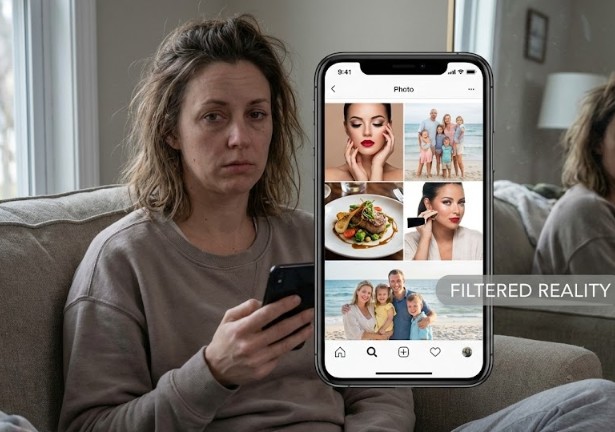
The Filter Effect on Your Brain
Social media dysmorphia happens when you see so many filtered, edited, perfectly curated images that your perception of normal gets warped. You start thinking everyone should look flawless all the time. Your brain forgets that what you’re seeing isn’t real—it’s a carefully constructed highlight reel designed to get likes.
Research shows that people who spend more time on image-heavy platforms like Instagram report higher rates of body dissatisfaction and appearance anxiety. You’re not imagining it when you feel worse about yourself after scrolling. Your brain is literally being trained to see your real self as “less than” because you’re constantly comparing it to impossible standards.
Why Women Struggle More
Women face unique pressures on social media. Beauty standards, motherhood expectations, relationship goals, career success—all of it gets packaged into perfect little squares that make real life feel inadequate. Women are bombarded with images of other women who seem to have it all together while juggling work, kids, fitness, relationships, and a spotless home.
The comparison doesn’t stop at appearance. It extends to every aspect of life. Did you make organic baby food from scratch? Is your partner posting about how much they adore you? Does your career look impressive enough? The mental load of maintaining the “perfect” life online while managing actual life becomes exhausting.
The Neuroscience Behind Social Media Addiction
How Dopamine Hooks You In
Every time you check social media and see a like, comment, or new follower, your brain releases dopamine. Dopamine is the “feel-good” chemical that makes you want to repeat behaviors. Social media platforms are designed to deliver unpredictable rewards—sometimes you get lots of likes, sometimes just a few. This randomness is exactly what makes slot machines addictive.
Your brain starts craving those little dopamine hits throughout the day. Before you know it, you’re reaching for your phone without thinking. You check Instagram while waiting in line, at red lights, before bed, and first thing in the morning. The urge becomes automatic and compulsive.
The Comparison Trap and Your Brain Chemistry
When you compare yourself to someone else and feel you don’t measure up, your brain’s stress response activates. Cortisol floods your system. Your amygdala (fear center) lights up while your prefrontal cortex (rational thinking) quiets down. This is why comparison feels so emotionally overwhelming—you’re literally in a state of threat response.
Over time, chronic comparison changes your brain structure. The pathways associated with self-criticism get stronger while self-compassion pathways weaken. You train your brain to automatically focus on what’s wrong with you instead of what’s right. Breaking this pattern requires conscious effort and time away from the triggers.
Social Media Detox Benefits for Your Mind and Body
Mental Health Improvements
Taking a break from social media significantly reduces anxiety and depression symptoms. Studies show that limiting social media use to 30 minutes per day improves life satisfaction, reduces stress, and decreases feelings of loneliness. When you’re not constantly exposed to other people’s curated perfection, your baseline mood naturally lifts.
You’ll also notice improved self-esteem. Without the daily barrage of comparison triggers, you have space to appreciate yourself as you are. Your inner critic gets quieter because you’re not feeding it with images of people who seem better than you in every way.
Better Sleep Quality
The blue light from screens disrupts melatonin production, making it harder to fall asleep. But social media affects sleep in other ways, too. Scrolling before bed fills your mind with stimulating content and comparison thoughts that keep you awake. You lie in bed replaying posts that made you feel inadequate or envious.
When you detox from social media, especially in the evening hours, your sleep improves dramatically. Your mind has space to wind down naturally. You fall asleep faster and sleep more deeply. Many people report vivid dreams returning after years of disrupted sleep from late-night scrolling.
Increased Focus and Productivity
Social media fragments your attention span. Every notification pulls you away from whatever you’re doing. Even when you’re not actively scrolling, part of your mind is thinking about checking your phone. This divided attention makes it hard to focus on work, conversations, or creative projects.
A social media detox restores your ability to concentrate for extended periods. Tasks that once took hours because of constant interruptions now get done faster. You rediscover the satisfaction of deep work and full presence in whatever you’re doing. Your brain remembers how to think without constant digital interruption.
Stronger Real-Life Connections
When you’re always on your phone, the people right in front of you get less of your attention. Conversations happen while you’re half-scrolling. Family dinners include phones at the table. Your relationships suffer from divided presence even when you’re physically together.
Stepping away from social media opens space for genuine connection. You make eye contact during conversations. You notice details about people you love that you’d miss while staring at a screen. Your relationships deepen because you’re fully there, not partially checked out into the digital world.
How to Stop Comparing Yourself to Others
Recognize Your Comparison Triggers
Pay attention to which accounts or types of content make you feel worst. Are fitness influencers that trigger body image issues? Travel bloggers that make you feel poor? Perfect-mom accounts that make you feel inadequate? Once you identify your triggers, you can take action.
Make a list of accounts that consistently leave you feeling bad. Notice the common themes. Do they all relate to appearance? Success? Lifestyle? Understanding your patterns helps you see that this isn’t about you being deficient—it’s about your brain responding to carefully constructed content designed to make you want what they’re selling.
Understand the Highlight Reel vs. Reality
Remember that social media shows about 1% of someone’s actual life—the very best 1%. Nobody posts about their messy kitchen, their argument with their partner, or their bad skin day. You’re comparing your full, messy, real life to someone else’s carefully selected moments of perfection.
Even influencers who seem to “keep it real” are still curating their content. The angle of every photo is chosen. The lighting is perfect. They might post a “real talk” caption, but they still picked the most flattering version of vulnerability to share. You’re not seeing reality—you’re seeing a performance of authenticity.
Practice Gratitude for Your Reality
Gratitude is the antidote to comparison. When you actively appreciate what you have, your brain shifts from scarcity thinking to abundance thinking. This doesn’t mean pretending your life is perfect or that you have no problems. It means choosing to notice the good alongside the hard.
Start a daily gratitude practice. Each morning, write three specific things you’re grateful for. Make them detailed: “I’m grateful for the way morning sunlight fills my bedroom” instead of just “I’m grateful for my house.” The specificity helps your brain really absorb the appreciation.
Compare Yourself to You
The only fair comparison is yourself to yourself. Are you further along than you were last month? Last year? Five years ago? When you measure your progress against your own past, you see growth instead of lack. You celebrate your wins instead of minimizing them because someone else seems to be doing better.
Keep a personal progress journal. Note your accomplishments, lessons learned, and moments of growth. When comparison thoughts creep in, pull out this journal and remember how far you’ve come on your unique path. Your life isn’t meant to look like anyone else’s.
Creating Your Social Media Detox Plan

Set Clear Boundaries
Decide what “detox” means for you. Some people delete all apps for a month. Others limit usage to 15 minutes per day. Choose an approach that feels doable but also meaningful. If you only cut back by 5 minutes, you probably won’t feel much benefit. Push yourself out of your comfort zone while staying realistic.
Set specific rules. Maybe you delete Instagram but keep texting apps for communication. Maybe you stay off all social media on weekends. Maybe you only check in at designated times rather than scrolling whenever the urge hits. Write your rules down and tell someone who will help keep you accountable.
Replace the Habit
You can’t just delete social media without replacing the time with something else. Your brain needs alternative sources of dopamine and connection. Make a list of activities you’ll do when you feel the urge to scroll. Read a book. Take a walk. Call a friend. Journal. Do something creative.
Stock your environment with engaging alternatives. Put books by your bed instead of your phone. Keep art supplies on the coffee table. Have walking shoes by the door. Make healthy alternatives as accessible as possible, so when the craving to scroll hits, you have easy options ready.
Expect Withdrawal Symptoms
The first few days of a social media detox can feel uncomfortable. You might feel anxious, restless, or bored. Your hand will reach for your phone automatically dozens of times. You’ll think about what you’re missing. This is normal and temporary.
The discomfort proves how much social media has hooked you. Addiction experts say it takes about a week for your brain to start rewiring after removing a compulsive behavior. Push through the first rough days knowing that it gets easier. Your brain is adjusting to functioning without constant digital stimulation.
Track Your Progress
Keep notes about how you feel each day of your detox. Notice changes in your mood, sleep, energy levels, and self-esteem. Many people report feeling significantly better by day three or four. Seeing your progress documented helps you stay motivated when the urge to reinstall apps creeps in.
Also, track what triggers make you want to check social media. Boredom? Loneliness? Avoidance of difficult tasks? Understanding your patterns helps you address the underlying needs that social media was temporarily filling. You can find healthier ways to meet those needs.
The Role of Plant Medicine in Breaking Free from Comparison
How Psilocybin Changes Your Perspective
Psilocybin, the active compound in magic mushrooms, works on serotonin receptors in your brain in unique ways. One of its most interesting effects is reducing activity in the default mode network—the part of your brain responsible for self-referential thinking and rumination. This network is what keeps you stuck in loops of comparison and self-criticism.
When the default mode network quiets down, people often report a profound shift in perspective. The things that seemed so important (like how your life compares to others on Instagram) suddenly seem trivial. You can see your own life more clearly without the constant mental chatter of comparison and judgment clouding your vision.
Reconnecting with Your Authentic Self
Years of social media consumption and comparison can disconnect you from who you really are. You start performing for an audience even in your own head. You make choices based on how they’ll look rather than how they’ll feel. You lose touch with your authentic desires and values.
Microdosing psilocybin can help you reconnect with your true self. Many women report feeling more grounded in their own reality after incorporating microdosing into their wellness practice. The constant noise of “should” gets quieter. You remember what actually matters to you when the comparison fog lifts.
Making Curated Lives Seem Less Important
There’s something about the psilocybin experience that helps people see through artifice. The carefully constructed Instagram posts that once made you feel inadequate start looking like what they are—staged performances. You see the effort and anxiety behind the perfect image instead of just feeling less for not measuring up.
This doesn’t mean you suddenly stop caring about anything. It means your priorities shift back to what’s real and meaningful. Face-to-face relationships matter more than followers. Actual experiences matter more than documenting them for likes. Your real life becomes more interesting than anyone’s curated version.
Integration Practices
Taking psilocybin isn’t a magic fix that instantly solves comparison issues. The medicine opens doors, but you need integration practices to walk through them. This means combining microdosing with intentional practices that reinforce your new perspective.
Try journaling on your microdose days about your authentic self versus your social media self. What’s different? What do you value that doesn’t translate to Instagram? What makes you feel truly fulfilled versus what makes you look good online? These reflections help cement the insights psilocybin reveals.
Daily Practices to Break the Comparison Cycle
Morning Mindfulness Ritual
Start each day by connecting with yourself before connecting with the world. Spend ten minutes in quiet mindfulness before looking at your phone. Sit comfortably, close your eyes, and take deep breaths. Notice how your body feels. Check in with your emotions without judgment.
This simple practice sets the tone for your day. You ground yourself in your own experience rather than immediately absorbing everyone else’s. When you do eventually look at your phone, you’re less likely to get swept up in comparison because you started from a place of self-connection.
Curate Your Feed Consciously
If you’re not ready for a complete social media detox, at least clean up your feed. Unfollow or mute any account that consistently makes you feel bad. This includes influencers, celebrities, acquaintances who constantly brag, and anyone else who triggers your comparison reflex. Be ruthless about this.
Replace comparison-triggering accounts with ones that inspire you genuinely or educate you. Follow artists whose work you admire, teachers who share wisdom, or accounts focused on causes you care about. Your social media experience should add value to your life, not drain it.
Create a Comparison-Free Zone
Designate certain times or places as completely phone-free. Maybe your bedroom is a device-free sanctuary. Maybe dinnertime is sacred. Maybe Sunday mornings are for being present with your actual life instead of watching everyone else’s. Protect these spaces fiercely.
Having comparison-free zones gives your brain regular breaks from the constant measuring up. You remember what it feels like to just be without performance or judgment. These pockets of presence throughout your week create space for your authentic self to breathe.
Evening Reflection Practice
Before bed, spend five minutes reflecting on your day without any reference to social media or other people. What did you do that felt good? What did you learn? What are you proud of? What challenged you? This practice trains your brain to find meaning and value in your actual experiences rather than in how they might look online.
Write these reflections down if possible. Over time, you’ll build a record of your real life that has nothing to do with likes, comments, or comparisons. This becomes proof that your life is rich and meaningful exactly as it is, without needing to measure up to anyone else’s version of success.
Rebuilding Self-Worth Without External Validation
Identify Your True Values
Social media teaches you to value what gets the most engagement—appearance, material possessions, enviable experiences. But these might not actually be your values. Take time to figure out what matters to you when nobody’s watching. What brings you genuine satisfaction? What kind of person do you want to be?
Make a list of your core values. Things like kindness, creativity, learning, family connection, spiritual growth, or making a difference. Then look at how you spend your time and energy. Are your daily actions aligned with these values or with trying to look good to others?
Practice Self-Compassion
Self-compassion means treating yourself with the same kindness you’d offer a good friend. When comparison makes you feel inadequate, notice the harsh self-talk that follows. You probably wouldn’t tell a friend they’re worthless because they don’t have a perfectly decorated home or a smaller body. Don’t say it to yourself either.
When you catch yourself in harsh judgment, pause. Place your hand on your heart and take three slow breaths. Say to yourself: “This is hard. Everyone struggles with comparison sometimes. May I be kind to myself right now?” This simple practice interrupts the shame spiral and reminds you that you deserve compassion.
Celebrate Your Unique Path
Your life is supposed to look different from everyone else’s because you’re a different person with different circumstances, gifts, and goals. Stop seeing uniqueness as a problem to fix. What makes you different might be exactly what makes you valuable and interesting.
Write down three ways your life or perspective is unique. Maybe you have an unusual job, a quirky hobby, a different background, or a way of seeing the world that others don’t share. Instead of wishing you were more like everyone else, appreciate what you bring that nobody else can.
Build Internal Validation Practices
External validation (likes, comments, compliments) is unreliable and fleeting. Internal validation means knowing your worth regardless of what anyone else thinks. This comes from having your own standards and recognizing when you meet them.
At the end of each day, give yourself credit for three things you did well. They don’t have to be impressive to others. Maybe you were patient when you wanted to snap at someone. Maybe you finished a task you’d been avoiding. Maybe you chose vegetables over junk food. Acknowledge yourself for efforts that align with who you want to be.
Supporting Your Journey with Gentle Tools
Plant Medicine as a Mindset Support
If you’re exploring ways to shift your perspective and reconnect with your authentic self, plant medicine can be a supportive tool. Our capsules provide precise microdoses that help quiet the mental chatter of comparison without disrupting your daily routine. Many women find that microdosing helps them see their own life more clearly instead of through the distorted lens of social media.
For those who prefer a more enjoyable delivery method, our chocolate bars offer the same benefits wrapped in a moment of self-care. Taking your dose becomes a ritual of intention-setting rather than just another supplement. If you prefer something light and easy, our gummies deliver consistent microdoses in a convenient form.
When You Need a Stronger Shift
Sometimes the comparison trap runs so deep that you need a more significant perspective shift. Our 500mg gummies offer a higher dose for those moments when you want to dive deeper into releasing old patterns. These work well for weekend retreat experiences where you can really focus on reconnecting with yourself.
The key is pairing any plant medicine practice with intentional work. Use your microdose days to journal about comparison patterns, practice gratitude, and notice when you’re measuring yourself against others. The medicine helps create openings, but you do the work of stepping through them.
Finding Your Community of Real Connection
Why Community Matters
Breaking free from comparison is easier when you’re surrounded by people on the same path. The Sugar Mama program connects you with other women who are choosing authenticity over performance. You’ll find a space where you can be real about your struggles without pretending everything is perfect for an audience.
In this community, nobody’s posting filtered selfies or curated highlight reels. Instead, you’ll find honest conversations about the work of unlearning comparison and reconnecting with yourself. You’ll get support on tough days and celebrate wins that might not look impressive on Instagram but feel meaningful in real life.
Building Authentic Relationships
The relationships you build within a supportive community are nothing like social media connections. These are women who know your real self, not your performed self. They see your messy middle, your growth struggles, and your authentic victories. This kind of connection is what humans actually need—not followers or likes.
When you have people who truly know you and care about you, the validation of strangers matters less. You stop needing Instagram approval because you have real people who appreciate who you actually are. This is the shift that makes sustainable change possible.
Long-Term Freedom from the Comparison Trap
Redefining Success on Your Terms
Social media trains you to see success as a visible achievement that gets applause—beautiful bodies, impressive careers, perfect families, enviable experiences. But real success might look completely different for you. Maybe it’s finally feeling at peace in your own skin. Maybe it’s having time for what matters rather than rushing through impressive accomplishments.
Take time to write your own definition of success that has nothing to do with how it looks to others. What does a good life mean to you? What do you want to feel at the end of your days? Use these answers to guide your choices instead of letting social media dictate what you should want.
Maintaining Your Progress
After a social media detox, many people slowly slide back into old patterns. They reinstall apps “just to check quickly,” and suddenly they’re scrolling for hours again. Protect your progress by keeping some boundaries in place even after the official detox ends.
Maybe you permanently delete certain apps or only access them through a browser, where they’re less convenient. Maybe you maintain phone-free mornings or device-free evenings. Maybe you continue your gratitude and mindfulness practices that helped during the detox. Find what works for you and stick with it.
Knowing When You Need Another Reset
Even with good boundaries, you might notice comparison creeping back in. Your mood dips after scrolling. You start obsessing about how your life looks instead of how it feels. You catch yourself staging moments for photos instead of just living them. These are signs you need another detox.
Don’t wait until you’re fully addicted again. Take regular breaks from social media—maybe one week every few months, or one day per week, or whatever rhythm keeps you connected to your real life instead of lost in comparison.
Your Life Beyond the Screen Awaits
Social media dysmorphia isn’t a permanent condition. The comparison trap that has stolen your peace can be broken. You can retrain your brain to see your own life as enough without needing it to match anyone else’s curated version of perfection. It takes intention, practice, and sometimes support, but freedom is absolutely possible.
Remember that your real life is happening right now, not in anyone’s feed. The people you love are in front of you, not in your phone. The body you have is the one carrying you through your actual experiences, not the filtered ideal you’ll never achieve. Your worth has nothing to do with likes, followers, or how you compare to strangers performing happiness for the internet.
Take the first step today. Put down your phone. Look around at your actual life. Notice something good about this moment that doesn’t need to be photographed or shared. Breathe into your own reality and remember who you are without the comparison. This is where your freedom begins.
Frequently Asked Questions About Social Media Detox and Comparison
How long should a social media detox last to see real benefits?
Most research suggests benefits appear within one to two weeks of reduced usage. If you’re doing a complete detox, start with at least seven days to give your brain time to rewire. If you’re limiting usage rather than quitting completely, commit to at least 30 days at your new limit (like 15-30 minutes per day) before evaluating results. The key is consistency—sporadic attempts won’t create lasting change.
Will I lose all my friends if I quit social media?
Real friendships exist outside of social media. The people who truly care about you will stay connected through texts, calls, and in-person time. You might lose touch with acquaintances whose only connection to you was social media interaction, but those weren’t deep relationships anyway. Many people report that their real friendships actually strengthen after leaving social media because they put more energy into direct connection.
How does microdosing help with social media comparison specifically?
Microdosing psilocybin affects the brain’s default mode network, which is responsible for rumination and self-referential thinking. When this network quiets down, the mental loops of comparison become less compelling. Many people report that things that seemed desperately important (like how they measure up to others) suddenly seem less relevant. This shift in perspective makes it easier to recognize social media for what it is—curated performance—rather than getting caught in the comparison trap.
What if my job requires me to be on social media?
Create strict boundaries between professional and personal use. Use separate accounts for work versus personal browsing. Set specific times for work-related social media and stick to them. Turn off all notifications except for direct messages related to work. Consider using scheduling tools so you can batch-create content without scrolling your feed. Most importantly, don’t follow personal accounts or engage with content that triggers comparison when using social media for work.
Is it normal to feel anxious during the first days of a detox?
Yes, completely normal. Social media creates a dopamine addiction loop in your brain. When you remove the source of those dopamine hits, you experience withdrawal symptoms similar to other addictions—anxiety, restlessness, fear of missing out, and constant urges to check. This usually peaks around days 2-4 and starts improving by day 7. The discomfort is actually proof that social media had a stronger hold on you than you realized. Push through the first rough days knowing it gets easier.
Begin Your Journey Back to Yourself
Ready to break free from the comparison cycle? Start with gentle support for your mindset shift. Our capsules offer precise microdoses for daily clarity. Prefer something indulgent? Try our chocolate bars for a sweet moment of self-care. Want an easy option? Our gummies make microdosing simple. For deeper work, explore our 500mg gummies paired with intentional practices. And don’t do this alone. Join the Sugar Mama community to connect with women choosing authenticity over performance. Get access to resources, exclusive content, and a space where you can be real. Your journey back to yourself starts with a single step away from the screen and toward your actual life.