
Psilocybin and Menopause: Navigating ‘The Change’ with Microdosing
As women, we’re conditioned to think of menopause as a slow decline. Most conversations focus on managing symptoms with hormone replacement therapy or antidepressants. While these options can help, they aren’t always the right fit for everyone.
More women are investigating the possibility of microdosing for menopause and if it can offer the right kind of balance. These tiny psilocybin doses can influence mood, cognition, and emotional steadiness in ways that feel useful during hormonal transitions.
Could something so subtle help with symptoms like irritability, brain fog, or shifting confidence?
Join us as we find out more about the research on how psilocybin interacts with serotonin pathways, shifting estrogen during perimenopause and menopause. We’ll also look at how consistent sub perceptual dosing works in real life. You’ll walk away with a clear understanding of how microdosing could fit into your menopause experience.
Understanding Menopause and Hormonal Shifts: The Science Behind the Change
Menopause begins with changes deep inside the hormonal system. The ovaries slow their production of estrogen as follicles decline. This shift disrupts the hypothalamic pituitary gonadal axis, which normally keeps hormones in steady communication. When this feedback loop weakens, the body adjusts in unpredictable ways that many women feel daily.
Progesterone begins fluctuating earlier in perimenopause. Cycles become irregular and estradiol levels swing sharply. These changes can make the HPG axis even more sensitive. The result is a mix of physical and emotional symptoms that may feel confusing when they first appear.
Hot flashes often get the most attention. They stem from changes in how the hypothalamus regulates body temperature. Many women also notice hormonal brain fog during this stage. Estrogen normally supports memory, clarity, and smooth communication between brain regions. When levels fall, focus can slip and tasks may take more effort than usual.
Mood shifts are another part of this transition. Estrogen strongly influences serotonin pathways involved in emotional regulation. When estrogen fluctuates, the brain becomes more vulnerable to irritability, sadness, or sudden emotional swings. This pattern explains why some women look for menopausal depression natural remedies that support mood without relying only on medication.
Understanding this connection helps the bigger picture make sense. The brain depends on stable levels of estrogen and progesterone to maintain balance. When these hormones decline, neurotransmitter patterns change as well. Serotonin, dopamine, and GABA all shift in ways that affect sleep, patience, and overall emotional tone.
These layered changes create a landscape where microdosing for menopause sparks interest. Women want tools that help regulate mood, reduce overwhelm, and bring clarity back into daily life. Exploring emerging ideas like microdosing makes sense when you understand the biology behind the symptoms. It also opens the door to new conversations about gentle, natural support during a complex transition.
By learning how the HPG axis shifts during menopause, you gain a clearer view of why symptoms feel so wide ranging. You also begin to see why targeted support for the brain can make such a meaningful difference.
Psilocybin’s Role in Neuroplasticity: How Microdosing May Support the Menopausal Brain

Microdosing psilocybin is gaining attention for supporting cognitive clarity, emotional balance, and neural resilience during menopause. The subsections below explain how psilocybin interacts with the brain and why these effects may be especially meaningful during hormonal transition.
How Psilocybin Interacts With the Brain
Psilocybin converts into psilocin after ingestion, which stimulates serotonin receptors known as 5‑HT2A. These receptors help regulate mood, cognition, and emotional flexibility, allowing the brain to form new connections that support clearer thinking.
Increased Connectivity and Glutamate Release
This stimulation improves communication between brain regions that normally operate separately, releasing glutamate in key circuits. Glutamate promotes growth of dendritic spines, strengthening neural pathways and improving neuroplasticity—often diminished during menopause as estrogen levels decline.
Why Microdosing Creates Subtle, Steady Benefits
Small, scheduled microdoses provide gentle stimulation without full psychedelic effects. This steady approach may counter hormonal brain fog, supporting memory, focus, and emotional steadiness in perimenopausal and menopausal women.
Estrogen Decline and Neuroplasticity Support
Estrogen supports neurogenesis in the hippocampus, so its decline increases sensitivity to stress and inflammation. Microdosing may help offset these changes by encouraging growth signals such as brain-derived neurotrophic factor, making it a natural-feeling option for menopausal cognitive support.
Real-World Improvements in Mood and Cognition
Observational studies and anecdotal reports indicate improvements in mood, creativity, focus, and task-switching. Older adults often experience the strongest gains in motivation and emotional regulation, which can directly ease hormonal brain fog.
Microdosing and Emotional Stability During Menopause
Consistent microdosing may reduce depressive symptoms and stabilize mood without causing emotional numbing. Many women report it provides a balanced combination of mental clarity and emotional softness.
Temperature Sensitivity and Stress Response
While psilocybin is not directly linked to hot flashes, improved mood and lower stress may lessen their perceived intensity. Women often describe feeling calmer during physical episodes, even if the symptoms persist.
Practical Dosing for Consistent Results
Standardized 200mg capsules help maintain consistent dosing, remove potency guesswork, and support predictable routines. This approach allows microdosing to be a thoughtful tool for strengthening the brain during hormonal transitions.
Microdosing and Menopausal Symptoms: Alleviating Hot Flashes, Mood Swings, and Depression
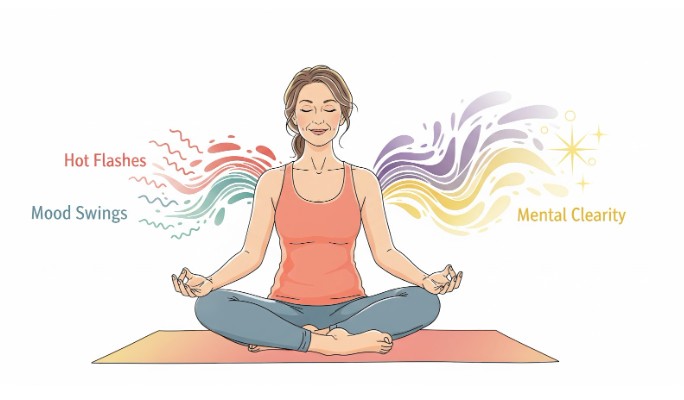
Microdosing is being explored as a gentle, natural approach for managing the physical and emotional shifts of menopause. The subsections below outline key symptom areas and how psilocybin may help.
Temperature Regulation and Hot Flashes
Many women report that microdosing makes their bodies less reactive to sudden temperature changes, creating a gentler response to heat. Researchers believe this relates to serotonin pathways in the hypothalamus. Since estrogen decline disrupts this center, even small improvements can feel meaningful, explaining growing interest in psilocybin and hot flashes.
Mood Swings and Emotional Regulation
Hormonal changes alter serotonin levels, affecting emotional balance. Microdosing may help restore steadier patterns, supporting calm thinking and fewer mood crashes. Women often report a clearer sense of emotional control.
Depression and Emotional Support
Anecdotal reports highlight relief from depressive symptoms tied to menopause. Many describe microdosing as a softer, natural form of emotional support. These experiences align with research showing improved neuroplasticity during low-dose psilocybin use, suggesting promise as a menopausal depression natural remedy.
Cognitive Clarity and Brain Fog
Microdosing may also improve cognitive function. Hormonal brain fog can make tasks feel overwhelming, but women often report easier focus, quicker recall, and a return of mental sharpness that supports confidence and productivity.
Consistent Dosing and Tracking Progress
Psilocybin capsules help ensure consistent dosing and remove potency guesswork. This allows for steady routines, long-term benefits, and easier tracking of symptom changes.
A Natural, Emerging Option for Menopause Support
Although research is still early, narratives are encouraging. Women seeking natural support can explore microdosing alongside other wellness practices, making it a thoughtful addition to holistic menopause care.
Safety, Dosage, and Precautions: Responsible Microdosing
Safe and effective microdosing during menopause depends on consistency, awareness, and informed decision-making. The subsections below outline key considerations before beginning a microdosing routine.
Understanding Proper Microdose Levels
Microdoses are intentionally small to support clarity without noticeable psychedelic effects. Many women prefer capsules, which remove guesswork and support steady, predictable routines.
Why Consistency Matters
Psilocybin acts on serotonin pathways that influence mood and temperature, so consistent dosing is essential for tracking changes. Raw mushrooms vary in potency, making capsules a more reliable option and helping women approach microdosing with confidence.
Medication Interactions and Medical Guidance
Psilocybin may interact with medications that affect serotonin, including antidepressants. Consulting a healthcare provider before starting microdosing ensures safer decisions, particularly for those with cardiovascular concerns or complex health needs.
Conditions Requiring Extra Caution
Psilocybin may worsen symptoms in people with bipolar disorder or psychotic conditions. Women on antidepressants should monitor timing and dosage carefully. Mild effects like fatigue or disrupted sleep may appear during early sessions.
Early Research and Its Limitations
Research is still emerging. Many women report improvements in mood and cognitive clarity, but clinical trials remain limited. These stories support interest in natural menopausal depression remedies, though they do not replace medical guidance.
The Value of Professional Support
Self-experimenting can lead to inconsistent results or discomfort. Clinician support allows safe adjustments and better understanding of individual responses. Microdosing should complement existing care for optimal results.
Integrating Microdosing into a Holistic Menopause Strategy: Beyond Psilocybin Alone
Microdosing works best when it’s part of a broader lifestyle approach that supports hormonal balance, emotional stability, and overall wellbeing. The sections below outline how different elements work together to create a strong foundation during menopause.
Lifestyle Foundations for Hormonal Balance
A holistic approach to menopause recognizes that no single solution can address every symptom. Diet, movement, and sleep all shape how the body adapts during this transition. These foundations support emotional stability and clearer thinking while easing physical stress. They also create a stronger base for anyone exploring microdosing for menopause.
Supportive Nutrition, Movement, and Sleep
Many women start with simple lifestyle shifts that feel manageable. A nutrient dense diet with antioxidants and phytoestrogens may help balance energy and mood. Regular exercise strengthens bones, supports heart health, and improves sleep quality. Better sleep also reduces hormonal brain fog and helps stabilize daily routines.
Mindfulness and Nervous System Regulation
Mindfulness practices bring another layer of support. Meditation and breathwork calm the nervous system and reduce stress sensitivity. Gentle yoga helps regulate mood and creates time for grounding and reflection. These tools work well with microdosing because both encourage emotional resilience and steady cognitive function.
Microdosing as One Part of a Broader Plan
Within this broader care plan, psilocybin microdosing becomes one supportive element rather than the entire strategy. The goal is to create a balanced framework that reduces pressure on any single intervention. Women often report that microdosing works best when paired with thoughtful routines that already support hormonal health. This combined approach helps strengthen benefits related to mood and focus.
Clinical Guidance and Personalized Care
Healthcare guidance remains essential when designing any holistic menopause plan. A clinician can help personalize lifestyle shifts and monitor responses over time. This ensures that microdosing fits safely with supplements, medications, or other therapies. It also helps women avoid conflicts with treatments for sleep, mood, or bone health.
A Unified, Holistic Path Through Menopause
A holistic mindset helps reduce frustration and builds confidence during menopause. Each element works together to ease symptoms and support long term wellbeing. Microdosing for menopause can fit naturally into this approach while allowing room for individualized menopausal depression natural remedies that align with personal goals.
Enjoying Microdosing with Awareness and Intention
Microdosing for menopause is becoming an interesting option for women who want support during this transitional stage of life. Early reports describe fewer hot flashes, steadier emotional patterns, and clearer thinking for women dealing with hormonal brain fog. These experiences also highlight possible relief for those seeking menopausal depression natural remedies in a gentle and mindful way.
Psilocybin and hot flashes are being studied together, but the research is still new and requires careful interpretation. Microdosing should never replace medical care, and it works best when guided by a qualified provider who understands your personal health needs. This approach supports safety while helping you explore small changes in mood, cognition, and overall resilience.
If you want a structured way to begin, you can browse our store for microdosing edibles. They provide consistent and controlled options that help you keep track of your response while maintaining a steady routing that feels manageable.