

Breaking the ‘Stoner’ Stereotype: Modern Psychedelic Sophistication
Forget the cliché of tie-dye shirts and munchies on the couch. The world of psychedelics has had a makeover. Today’s modern psychedelic culture is all about wellness, mindfulness, and even a touch of luxury – a far cry from the old “stoner” stereotype.
Modern Psychedelic Culture: Shattering the ‘Stoner’ Myth

For decades, the word “stoner” conjured a specific image: lazy, disheveled, maybe stuck in a 1970s time-warp. But research and real-life examples are breaking that myth.
Studies have found that people who use cannabis or psychedelics regularly are no less motivated or successful than anyone else.
In fact, many of them are more driven – they’re entrepreneurs, creatives, and wellness seekers. The old stereotype of the unambitious dropout is giving way to a new reality: microdosing moms, tech CEOs, and everyday folks using psychedelics with intention and purpose.
To visualize the shift, consider this comparison:
| Old “Stoner” Stereotype | Modern Psychedelic Sophisticate |
| Unmotivated and lazy | Ambitious individuals microdosing for focus and creativity (think startup founders). |
| “Hippie” counterculture only | Mainstream professionals and parents are embracing wellness routines. |
| Illegal, secretive use | Decriminalized in many areas and even used in therapeutic settings (Oregon now allows psilocybin therapy). |
| Tie-dye and smoke-filled basements | Stylish retreats, yoga classes, and chic at-home rituals with mushroom tea. |
| Getting “high” to escape | Microdosing to enhance mood, creativity, and personal growth without losing control. |
The bottom line: the caricature of a “stoner” is rapidly becoming outdated. Psychedelics have entered the cultural mainstream, and they’re attracting people who are anything but lazy.
It’s hard to call someone a slacker when they start their day with meditation, a green smoothie, and a microdose mushroom capsule before heading off to work!
Psychedelics as Sophisticated Wellness
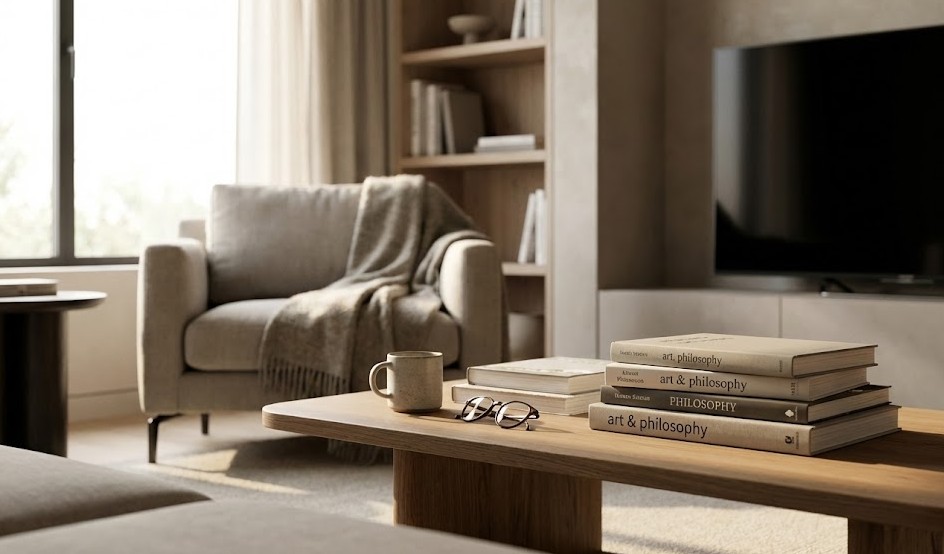
If the word “psychedelic” still makes you picture wild psychedelic rock concerts, update that mental image – it might as well include a spa or a therapist’s office.
Across the wellness world, psychedelics are being hailed as the next frontier in self-care. There’s a growing recognition that substances like psilocybin (from magic mushrooms) and LSD can, under the right conditions, support mental and emotional health.
We’re seeing mindfulness gurus, biohackers, and therapists talk about psychedelics as “medicine” or “therapy” rather than party drugs.
Mainstream media has taken notice, too. It’s not just niche podcasts or hippie blogs anymore – we’ve had Anderson Cooper on CNN investigating psilocybin therapy and even Oprah Winfrey interviewing experts on psychedelics.
When Oprah is talking about something openly, you know it’s entered sophisticated living rooms everywhere. Even major newspapers have reported breakthroughs, like The Times highlighting how “magic mushrooms are entering the mainstream as a treatment for depression”.
In other words, the healing potential of psychedelics is being taken seriously at the highest levels.
This is all part of what we might call “sophisticated wellness” – an approach to well-being that’s open-minded yet intentional.
It’s the same movement that made yoga and meditation a routine for CEOs and made green juice a status symbol. Now, psychedelics (used responsibly) are becoming another tool in the wellness toolkit.
People attend guided psilocybin retreats for self-improvement, not unlike going on a meditation retreat. Affluent travelers seek out psychedelic ceremonies in Jamaica or the Netherlands as the cutting-edge of transformational travel – often led by clinical experts and shamans side by side.
Unlike the “drop out of life” ethos of the ’60s, today’s psychedelic wellness is about dropping into life more fully.
It’s about using these substances in measured, reverent ways to break through depression, heal trauma, or simply feel more present and alive.
And just as importantly, it’s done with a sense of style and care. Think ceremony, integration, and intention – not just “tripping.”
From microdosing as part of a morning routine to attending legal psychedelic therapy sessions, the experience is curated and elevated to meet modern wellness standards.
Microdosing: From Taboo to Tool for Growth
Perhaps the clearest sign of psychedelics’ new reputation is the rise of microdosing. Ten years ago, if you mentioned you were taking tiny doses of LSD with your coffee, people might have thought you were crazy (or at least raising some eyebrows).
Today, microdosing has become almost trendy among certain circles – and it’s spreading fast from Silicon Valley startups to suburban neighborhoods.
So, what is microdosing? It means taking an extremely small amount of a psychedelic, such as 1/10th of a typical “trip” dose.
You won’t hallucinate or feel out of control; the effects are subtle – maybe a slightly brighter mood or a feeling that you’re in the flow at work.
Advocates say these mini-doses help boost creativity, reduce anxiety, and even aid focus – without the impairment of a full psychedelic experience. Essentially, it’s like the nootropic version of psychedelics. You’re not “high”; you’re just gently tuned.
Not long ago, microdosing was underground, known mostly in burner and biohacker communities. Now it’s edging into the mainstream.
Authors are writing bestselling books about it, and your co-worker or neighbor might be microdosing – whether they mention it or not.
In fact, professionals in high-pressure jobs have been early adopters. In tech and creative industries especially, many see microdosing as a legal gray-area performance hack: a little edge to spark innovative thinking or keep a calm focus during a stressful 12-hour workday.
It’s not advertised on company bulletin boards, but it’s happening – enough that Wired and Forbes have written about the phenomenon.
What’s driving people to try this? Partly, dissatisfaction with conventional solutions. Some feel burnt out on prescription meds or caffeine and are looking for a more natural (yet effective) way to manage their mental health.
Microdosing psychedelics has been reported anecdotally to help with everything from depression to writer’s block.
Scientific research is still catching up, but early studies are intriguing. For example, one 2021 study found that participants who microdosed for a month scored higher on measures of psychological well-being and creativity than those who didn’t.
There is debate – some of those benefits might be a placebo effect, as skeptics point out. But even the placebo effect reveals something: people are feeling empowered and hopeful enough to make positive changes, which says a lot about shifting attitudes. (And ongoing trials are investigating further – we’ll know much more in the next few years.)
Of course, we have to acknowledge legality and safety. Is it legal? In most places, not quite – psilocybin is still illegal federally in the U.S., and LSD is a Schedule I drug.
However, the tide is turning at local levels. Cities like Denver, Oakland, and Seattle have decriminalized personal use of psychedelics.
Oregon actually legalized psilocybin-assisted therapy in regulated settings (the first therapy centers started opening in 2023/2024).
Internationally, places like the Netherlands allow psilocybin truffles, and Canada has a growing gray market for microdose products.
So, depending on where you live, microdosing might already be quietly tolerated or even officially allowed for therapeutic purposes.
Is it safe? Generally, in low doses, psilocybin and LSD have a good safety profile for physically healthy people. They’re non-addictive (psilocybin doesn’t create dependency – it “doesn’t trigger compulsive consumption”, as one drug research director noted) and don’t seem to harm organs at micro levels.
Many people microdose for months with no issue. But everyone is different – some might feel slight anxiety or insomnia if they overdo frequency.
The key is responsible use: sticking to a modest dose and not doing it daily (a common regimen is one day on, two days off to prevent tolerance). As with any wellness practice, one should pay attention to their body and perhaps consult a doctor, especially if there are underlying health conditions.
What’s exciting is how quickly microdosing is moving from taboo to something people swap tips about. We now hear of “microdosing circles” or meetups where individuals share experiences (much like a yoga class, minus the downward dog).
If the trend continues, microdosing could soon be seen in the same light as, say, taking CBD oil or nootropics – just another personalized wellness choice.
As one neuroscientist quipped, “I wouldn’t be surprised if, within the next five years, microdosing is treated the same way as CBD or adaptogens are today,”.
In other words, once the stigma falls away, we stop asking “why would you” and start asking “what’s the best way to do it responsibly?” That is exactly where things seem to be headed.
Psychedelic Chic – The New Aesthetic & Lifestyle
Beyond the health and work aspects, there’s a cultural style emerging around psychedelics – something we might call psychedelic chic.
It’s the blending of psychedelic sensibilities with a modern, upscale bohemian vibe. If you haven’t noticed it yet, think of how yoga culture or veganism evolved: from fringe subculture to trendy mainstream, complete with Instagram aesthetics and boutique products. Psychedelics are undergoing a similar glow-up.
Let’s talk fashion and symbols. The old stereotype had its uniforms: tie-dye T-shirts, Grateful Dead hoodies, maybe some Bob Marley flags on the wall.
Today’s psychedelic enthusiast might still love colorful art, but they’re as likely to be seen in stylish activewear or a flowy linen dress as they are in tie-dye. You might catch a subtle mushroom emblem on a piece of jewelry, or a tasteful psychedelic-inspired print on a designer scarf.
High fashion has even flirted with psychedelic motifs (hello, trippy patterns on the runway). What was once garish or “out there” is now often done with intention and taste.
This aesthetic shift reflects a broader lifestyle change. Modern psychedelic fans integrate their practice into a holistic, healthy life.
Picture a Saturday for a modern psychonaut: Morning journaling, a microdose gummy, farmers’ market for organic veggies, an afternoon nature hike, and evening tea with friends where they discuss their latest insightful “journey” (maybe from a guided meditation with a mild cannabis edible, or a recent weekend retreat).
It’s not about dropping out of society – it’s about enhancing one’s quality of life within society. Psychedelics are seen as tools for self-discovery and connection, often accompanied by yoga, breathwork, or art. This is worlds apart from the old image of zoning out on the couch in a cloud of smoke.
Social media has played a role in making psychedelics chic. Influencers and community leaders now openly talk about their microdosing routines or occasional guided psychedelic experiences.
They’ll post a photo of a beautifully plated cacao ceremony with microdose truffles, or share a colorful mandala painting they created “with a little help” from LSD inspiration.
The visuals are less “party rave” and more “wellness retreat”. Soft lighting, nature backdrops, crystals, and candles – the same aesthetic you’d see in a meditation app ad. It’s inviting, not intimidating.
Importantly, this new culture is also more inclusive and diverse. Psychedelics in the 60s were often associated with a predominantly white, male hippie movement.
Today, you’ll find women at the forefront – from researchers like Dr. Rosalind Watts, to facilitators, to entrepreneurs launching women-centric psychedelic wellness brands.
People of color, LGBTQ+ folks, and other communities are increasingly represented and are carving out their own safe spaces in psychedelic circles.
For example, there are circles specifically for mothers who microdose, or BIPOC-led retreat groups that blend ancestral traditions with modern practice.
This diversity brings a richness and a practicality – showing that psychedelics aren’t just for counterculture rebels, they’re for anyone interested in inner growth (with proper respect and care).
Community support has grown, too. It’s not uncommon to find integration circles in cities (or on Zoom) where people meet to talk about their experiences and support each other.
This sense of community further legitimizes the practice – it’s no longer a solitary or secret act, but something people can share openly in the right settings.
Our own Sugar Mama program is an example of this spirit: it’s a community (or as we like to say, a sisterhood) for those who love exploring mushroom-based wellness in a positive, empowering environment.
We share recipes (mushroom chai latte, anyone?), book club picks, personal triumphs, and yes, sometimes the challenges too. Psychedelic chic isn’t just about looking good while doing it; it’s about feeling good and supported while you do.
The involvement of media and celebrities has also propelled the psychedelic lifestyle into the spotlight. We have famous figures like Prince Harry openly discussing how psychedelic therapy helped his mental health.
Pop culture references abound – from Netflix documentaries to drama series that portray psychedelic experiences with nuance (no more cheesy hallucination tropes; now it’s depicted as a serious therapeutic process, as seen in shows like Nine Perfect Strangers).
All of this normalizes and even glamorizes the psychedelic experience responsibly. It’s increasingly seen as cool to be informed about psychedelics, much like being knowledgeable about fine wines or adaptogenic herbs.
All these elements – fashion, social media, inclusivity, celebrity endorsements – weave together into a cultural moment: psychedelics have not just re-entered the mainstream, they’ve done so with a makeover. It’s cool, conscious, and chic to be into mushrooms now. Who would’ve thought?
Modern Psychedelic Products: Capsules, Chocolates, and Gummies
One of the clearest signs of how far we’ve come is the products you can now find. Gone are the days of sketchy baggies and bitter brews that you have to choke down.
Enter the era of craft psychedelic products, where quality, dosage, and experience are all carefully considered. Let’s take a look at a few (and yes, these are all available through Sugar Magnolia, because this evolution is exactly what we’re passionate about!).
Microdose Capsules: If you’re aiming for consistency and precision, microdose capsules are a game-changer. These are essentially tiny pills filled with a pre-measured amount of mushroom extract (or similar).
The beauty is you know exactly how much you’re taking – no guesses, no scales needed. Capsules have no taste and slide right into a supplement routine.
Many modern psychonauts love this format because it feels “legit” – you could keep a bottle on your work desk next to your vitamin D, and nobody bats an eye.
It’s wellness in a clean, minimalist delivery. The capsule approach really underscores sophistication: it’s science-meets-self-care.
You can take one, journal a bit, and go about your day knowing your dose was just right.
Gourmet Chocolate: For those who prefer to savor their dose, a chocolate bar is pure delight. Yes, we’re talking about chocolate infused with mushrooms – two beloved things combined.
Sugar Magnolia offers a decadent mushroom chocolate bar that could easily be mistaken for a fancy artisan confection (because it is!). Each square of the bar contains a mild dose.
This means you can literally make a hot cocoa or nibble a piece as an evening treat and simultaneously microdose.
It transforms the act into something pleasurable and even a bit indulgent – far from any notion of “drug taking.” Imagine curling up with a good book, a lavender candle lit, and having a piece of rich, dark chocolate that also happens to gently open your mind.
That’s psychedelic sophistication in action. Plus, chocolate has its own mood-boosting compounds, so it pairs wonderfully with psilocybin’s subtle effects.
Fun & Fruity Gummies: Of course, we can’t forget gummies. These have become incredibly popular for microdosing because, let’s face it, they’re approachable and fun.
Each gummy is like a little fruit-flavored treat – soft, chewy, and sweet – that contains a set low dose (for example, 250 mg of mushroom extract).
For a newcomer who might be nervous, gummies feel familiar (who didn’t love gummy bears as a kid?). And for experienced folks, it’s a convenient, discreet option.
You can toss a gummy in your gym bag or purse and take it whenever, no ritual required. One of our customers joked that her microdose gummy is her “new afternoon pick-me-up,” replacing the second cup of coffee.
It gives her a gentle mood lift without jitters. The casual format helps demystify psychedelics – it’s not some strange substance, it’s a gummy like any other supplement or candy.
We also offer a slightly stronger gummy: our 500 mg gummies pack double the microdose of our regular ones, for those who have a bit of experience and want a tad more effect while still staying well below a tripping dose.
They’re great for, say, a Sunday nature hike, when you might enjoy perceptible yet still mild effects – colors a touch brighter, mood a touch sunnier, but full control intact.
Having options like a 500 mg gummy means individuals can fine-tune their experience to what suits their comfort and needs.
The common thread with all these products is intentional design. The dosages are standardized and on the low end, aligning with the goal of safety and subtlety.
The formats (capsules, chocolates, gummies) are chosen for ease and enjoyment. And the packaging – oh, the packaging – is beautiful.
Sugar Magnolia’s products come in lovely, modern packaging with floral and geometric designs, pastel colors, and gold accents.
They’re the kind of products you’re proud to display on your shelf. If someone saw them, they might not even know it’s a “psychedelic” product at first glance – it could be a boutique tea or skincare item. This is a far cry from the past. It elevates the whole experience: you feel like you’re engaging in self-care, not doing something sketchy.
In summary, the availability of these elegant microdosing products encapsulates everything about modern psychedelic sophistication.
They make the practice accessible, controlled, and integrated with normal life. You can choose your preferred “delivery method” like you would for any supplement – whatever fits your lifestyle and tastes.
By removing the barriers of bad taste, uncertain dosing, and stigma, these products invite more people to explore the benefits of mushrooms comfortably.
And isn’t that precisely how we break stereotypes? We replace fear with familiarity, and discomfort with delight.
A mushroom gummy might seem simple, but it’s a little symbol of how far we’ve come.
Embracing a New Era of Psychedelic Sophistication
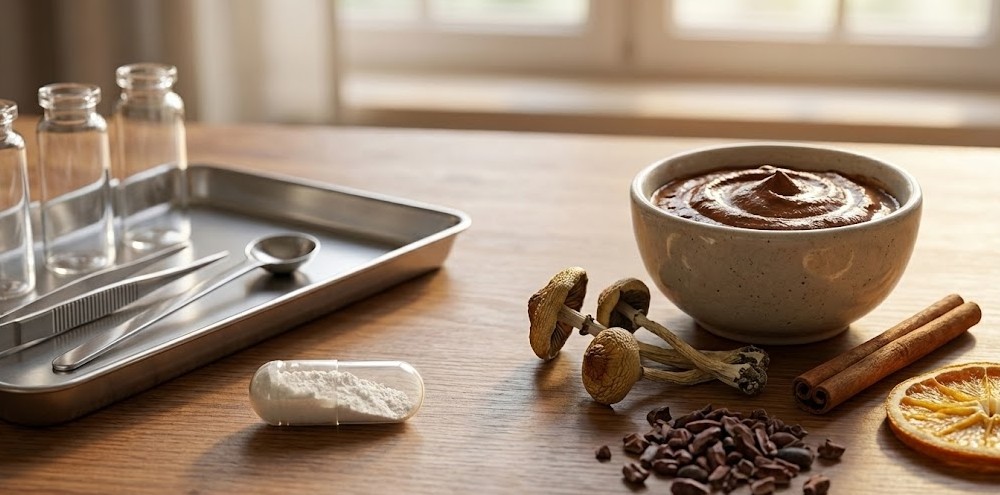
We’ve journeyed from the hazy stereotype of the past to the crisp, clear reality of the present. It’s astonishing – and encouraging – to see how thoroughly psychedelic culture has transformed.
What was once hiding in the shadows has stepped into the light of day, armed with research papers, wellness testimonials, and stylish branding.
Psychedelics have evolved from being seen as a counterculture curiosity to a respected tool for healing and growth. In this new era, someone might incorporate microdosing into their self-care routine just as naturally as doing yoga or taking herbal supplements.
The stigma is melting away, replaced by an ethos of sophistication and intentionality. We’re not escaping life anymore; we’re engaging with it more deeply, using ancient fungi and modern knowledge to become healthier and more inspired humans.
If all this talk has piqued your interest, you might be wondering how to experience this for yourself – in a safe, positive way. Good news: you’re in the right place.
Sugar Magnolia was founded to help people do exactly this. We offer a carefully curated range of microdosing products so you can try these benefits firsthand.
Perhaps you’ll start your morning with one of our gentle capsules or gummies, and feel that little shift – a touch more clarity, a bit more bounce in your step – as you go through your day.
Maybe you’ll unwind in the evening with a piece of our decadent mushroom chocolate, turning what used to be “medicine” into a moment of pleasure.
Our products are all about making the microdosing experience easy, enjoyable, and yes, sophisticated for you.
And remember, you’re not alone on this journey. We warmly invite you to join our Sugar Mama program – our very own community of fabulous folks exploring these new frontiers together.
In the Sugar Mama circle (open to all genders despite the cute name!), you’ll find support, education, and some great perks. It’s a place to ask questions (“How do I talk to my partner about this?”), share your wins (“Microdosing totally helped my Monday mood!”), or just bond with others who are embracing a more natural approach to wellness.
Plus, as a Sugar Mama member, you get access to exclusive product discounts and early releases, because we love to spoil our family.
The renaissance of psychedelics is here, and it’s clear-eyed and empowered. If you’ve been curious, there’s never been a better time to dip a toe in – or rather, take a micro-sized bite.
By shedding the old stigmas and approaching these tools with respect and style, we are collectively redefining what it means to live well.
So go ahead, break the stereotype and own your journey. We’re cheering you on every step of the way, with a bar of mushroom chocolate in hand. Welcome to modern psychedelic sophistication – we think you’re going to love it.