
From Asia to Mesoamerica: Ancient Mushroom Ceremonies Around the Globe
Ever wonder how long humans have been using mushrooms in ceremonies? Try 10,000 years.
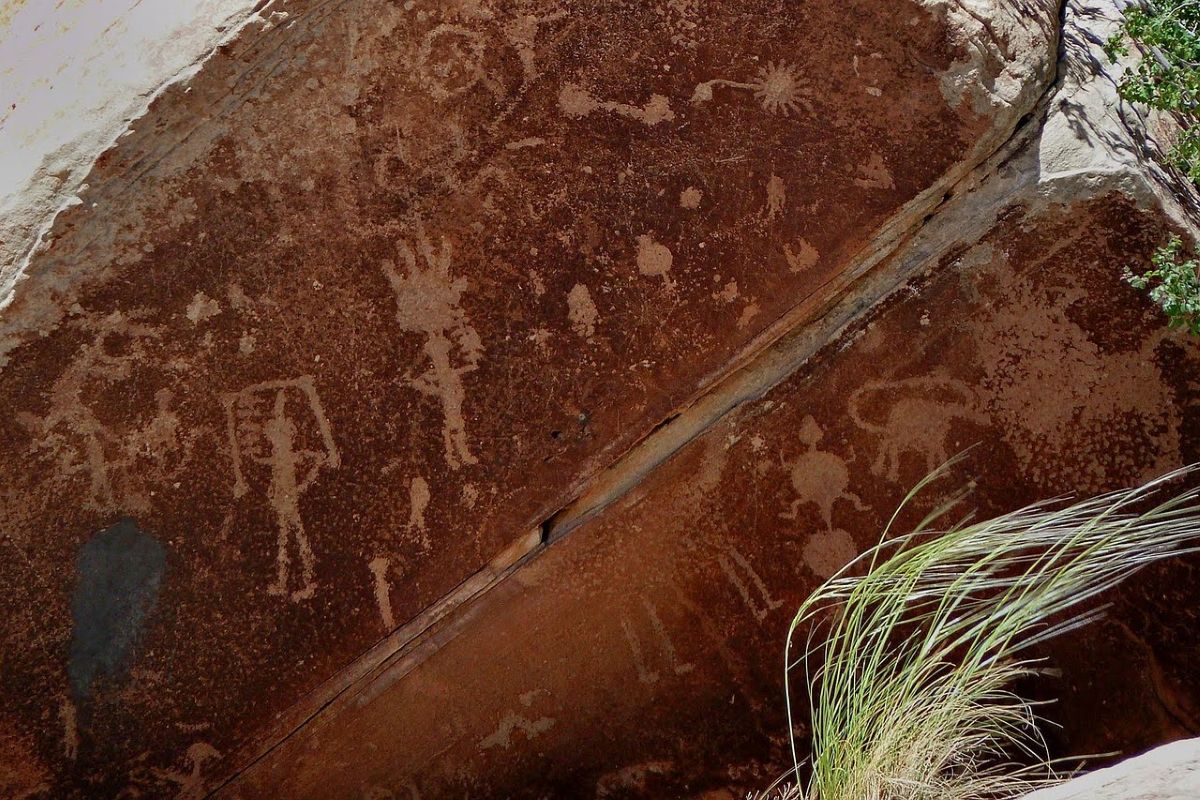
The evidence isn’t tucked away in ancient texts. It’s carved into walls, etched on rock faces, and shaped into stone artifacts across continents. North Africa has paintings of bee-headed mushroom shamans. Guatemala has intricate stone sculptures. Siberia has petroglyphs of mushroom-headed figures.
What’s wild? These cultures never met. They were separated by oceans and thousands of years. Yet they all independently recognized something profound about ceremonial fungi.
Coincidence? Not likely. It was humanity discovering the same spiritual technology, leaving traces for us to piece together millennia later.
Mesoamerican Mushroom Ceremonies: The Heart of Tradition
Want to know where mushroom ceremony history runs deepest? Look to Mesoamerica.
The Aztecs called them teonanácatl: “flesh of the gods.” These weren’t recreational. They were sacred.
Royalty and priests consumed mushrooms during major religious ceremonies, mixing them with honey and chocolate. Participants entered visionary states where they communicated directly with gods and ancestors. Spanish conquest forced these practices underground.
Then came María Sabina. This Mazatec curandera brought hidden traditions back into global consciousness through the velada ceremony. She chanted sacred songs in Mazatec, guiding participants through healing journeys.
The Maya left mushroom stones carved thousands of years ago. Contemporary Maya communities still practice these ceremonies today.
This wasn’t fringe spirituality. This was the heart of Mesoamerican life itself.
Siberian and Northern European Traditions
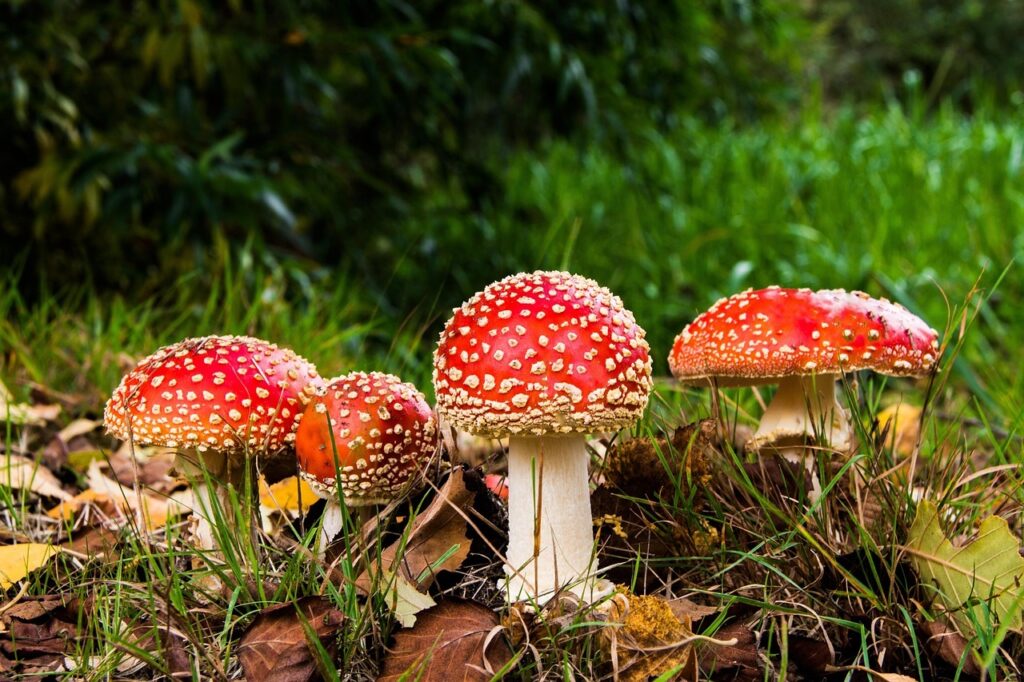
Head north from Mesoamerica and everything changes. Forget psilocybin. Siberian and Northern European traditions revolve around Amanita muscaria: that iconic red mushroom with white spots.
The Siberian mushroom ceremony might be the wildest practice in human history. Shamans from the Koryak and Chukchi peoples used Amanita muscaria during winter solstice ceremonies to achieve shamanic flight.
Here’s where it gets weird. These shamans often drank reindeer urine after the animals ate the mushrooms. The reindeer’s metabolism filtered out toxic compounds while concentrating psychoactive elements. But this wasn’t just practical chemistry. Reindeer were spiritual mediators between worlds.
The Sami developed their own traditions. Norse cultures speculated about berserker warriors using Amanita for battle trances. Slavic folklore runs deep with mushroom ceremonies timed to agricultural cycles.
Different continents, different species, same human drive.
Asian Mushroom Ceremony Traditions

Asian mushroom ceremonies look nothing like their Western counterparts. Instead of chasing visions, many traditions emphasize healing, longevity, and spiritual refinement.
Take the Soma mystery from ancient India. The Rigveda dedicates entire passages to this sacred drink that offered divine inspiration and a taste of immortality. Priests prepared it three times daily, treating it as both plant and deity.
The catch? Nobody knows what Soma actually was. Amanita muscaria? Some other psychoactive fungi? The debate rages on, but the ceremonial significance is undisputed.
Tibet’s Buddhist tantric practices incorporated high-altitude mushroom species for specific spiritual purposes. The Bon tradition blended shamanic elements with healing, recognizing certain fungi as mediators between physical and spiritual realms.
China’s relationship with ceremonial mushrooms centers on Lingzhi, known in the West as Reishi. Taoists revered it for immortality and spiritual purity. Emperors conducted mushroom rituals at court, believing these fungi could extend life and enhance spiritual power.
Japan’s Shinto rites incorporated mushrooms into harmony-focused ceremonies. The Maitake earned its name from the joy people felt discovering it.
What stands out? The diversity. From Soma’s mystery to Lingzhi’s gradual transformation, Asian traditions prove that not all paths to the sacred look the same.
African Mushroom Traditions
Africa’s mushroom ceremony history runs deeper than any other continent. It also carries the deepest scars from colonialism.
Remember those Tassili plateau cave paintings? North Africa maintained mushroom traditions for millennia after those paintings. Ancient Egyptians combined mushrooms with blue lotus flower in ritual contexts reserved for priests and royalty. Carthaginian sites show similar traces, though specifics remain debated.
The Yoruba people of West Africa incorporated mushrooms into ceremonies focused on ancestral communication and divination. These required extensive preparation and deep cultural knowledge.
The San people developed trance dance healing ceremonies. Zulu traditional healers maintained encyclopedic knowledge of which species worked for specific conditions. Madagascar’s isolation created unique endemic species used in ancestor veneration ceremonies.
Then colonialism hit. Hard.
European colonizers labeled these practices primitive superstition. Missionaries suppressed ceremonies. Colonial governments criminalized traditional medicine. Knowledge holders were forced underground or stopped practicing entirely. When elders died without passing on their knowledge, entire traditions disappeared.
Today’s revitalization movements work to preserve what remains. It’s challenging work that requires finding remaining knowledge holders and documenting practices before they’re lost forever.
The story reminds us what cultures lose under erasure. It also shows us the resilience of traditions that survive despite everything.
The Structure of Traditional Mushroom Ceremonies
Want to know what’s wild? Traditional mushroom ceremonies across vastly different cultures follow remarkably similar structures. Coincidence? Not even close. These are proven practices refined over millennia.
Every authentic ceremony starts long before anyone consumes medicine. Fasting protocols typically require avoiding heavy foods for 12 to 24 hours. This signals to body and mind that something sacred is approaching while reducing nausea and improving absorption.
Purification practices vary. Some traditions use smoke cleansing. Others incorporate ritual bathing. The goal stays constant: clearing physical, energetic, and mental space.
Sacred space creation transforms ordinary rooms into ceremonial containers. Altars hold flowers, candles, and meaningful objects. This establishes energetic boundaries and invites protective forces.
A guide or shaman holds everything together. They read the room, sense when someone needs support, and maintain protection throughout. Their wisdom makes the difference when things get challenging.
Ceremonies follow predictable phases. Opening invocations call in protection. Medicine administration happens with reverence. Journey facilitation involves drums, rattles, chanting, or silence depending on tradition. Integration begins immediately after and continues for weeks.
Timing matters too. Lunar phases, seasons, and time of day all influence the experience. Traditional knowledge chooses these elements intentionally.
Sacred Mushroom Species Used Ceremonially
Different cultures worked with different fungi based on what grew in their regions. Not all ceremonial mushroom species work the same way.
The Psilocybe genus dominates mushroom ceremony history across continents. These sacred mushrooms contain psilocybin and psilocin, the compounds behind visionary experiences.
Psilocybe mexicana holds special significance in Mesoamerican traditions. Indigenous healers used it for divination and healing long before Spanish contact. P. cubensis thrives in tropical climates from Mexico to Southeast Asia, making it the most widespread ceremonial species. P. aztecorum and P. zapotecorum carry their cultural origins in their names, remaining closely tied to indigenous traditions.
Amanita muscaria operates completely differently. Its psychoactive compounds produce distinct effects that shaped Siberian and Northern European shamanic practices. Preparation requires more knowledge and care. Drying reduces toxicity. Some traditions involve boiling or fermenting.
Not all traditional mushroom medicine involves psychedelic experiences. Reishi ceremonies in East Asia focus on longevity and spiritual refinement rather than visions. Lion’s Mane and Cordyceps traditions emphasize cognitive enhancement and physical vitality.
Here’s what matters now: as interest grows globally, identification accuracy and sustainable harvesting become critical. Wild populations face pressure from over-collection. Traditional knowledge includes stewardship practices that modern consumers often ignore.
Respecting ceremonial mushroom species means understanding their ecology and the cultures that preserved this knowledge for generations.
Preparation and Integration Practices
Traditional cultures understood something crucial: the ceremony itself is just one part of a much longer process.
Mushroom ceremony preparation begins days or weeks before consuming medicine. The ceremonial diet forms the foundation. Traditional diets eliminate salt, oil, sugar, alcohol, and certain foods.
Sexual abstinence appears across cultures. Meditation practices develop the mental stability needed when consciousness shifts dramatically. Intention setting creates clarity about why you’re entering this space.
Post-ceremony practices matter just as much. Traditional isolation periods allow insights to settle without external interference. Community sharing circles provide essential support.
Creative expression translates internal visions into external form through weaving, painting, music, or poetry. Nature immersion grounds insights in physical reality.
The Mazatec involves extended family in integration, recognizing that transformation affects entire relationship networks. Siberian communities celebrate with feasts. Asian temple practices integrate spiritual teachings post-ceremony.
The pattern stays consistent: preparation creates readiness, ceremony provides experience, and integration transforms experience into lasting change.
Colonialism’s Impact and the Psychedelic Renaissance
The history of mushroom ceremonies can’t be told honestly without confronting colonialism’s brutal legacy.
When Spanish conquistadors encountered indigenous mushroom ceremonies, they saw devil worship. The Inquisition brought prohibition and persecution designed to eliminate these traditions completely. Practitioners faced torture and execution.
Yet ceremonies continued underground. People risked everything, overlaying Catholic saint imagery onto indigenous practices. The mushrooms became “little saints.” These were survival strategies.
Colonial powers worldwide targeted indigenous psychedelic practices. This was cultural genocide, deliberately destroying indigenous knowledge systems. Secret societies protected practices. Knowledge passed through family lineages.
Then came 1955. R. Gordon Wasson participated in a Mazatec velada led by María Sabina. His Life magazine account introduced “magic mushrooms” to mainstream culture overnight. But Wasson’s publication exposed sacred rituals to outsiders unprepared to respect them. María Sabina later expressed regret.
Today’s indigenous rights movements center on cultural reclamation. Modern ceremonies look vastly different now.
Here’s what matters: cultural appropriation happens when people take sacred practices out of context and repackage them for profit.
Legal Status and Religious Freedom
The mushroom ceremony legal landscape varies wildly by location.
The Native American Church’s peyote exemption established a crucial precedent. Brazilian ayahuasca churches received similar protections. These victories opened conversations about extending the ceremonial use exemption to psilocybin mushrooms.
The arguments rest on religious freedom principles. If your spiritual practice centers on mushroom ceremonies, prohibition criminalizes your religion.
Where can ceremonies happen legally? Jamaica allows psilocybin retreats openly. The Netherlands permits truffle ceremonies. Mexico tolerates traditional indigenous use. Oregon pioneered regulated psilocybin therapy.
Legal frameworks continue evolving as research demonstrates therapeutic benefits. The momentum points toward expanded access, though progress happens unevenly.
The broader question: should governments dictate which spiritual practices citizens can explore?
Safety and Harm Reduction in Ceremonial Contexts
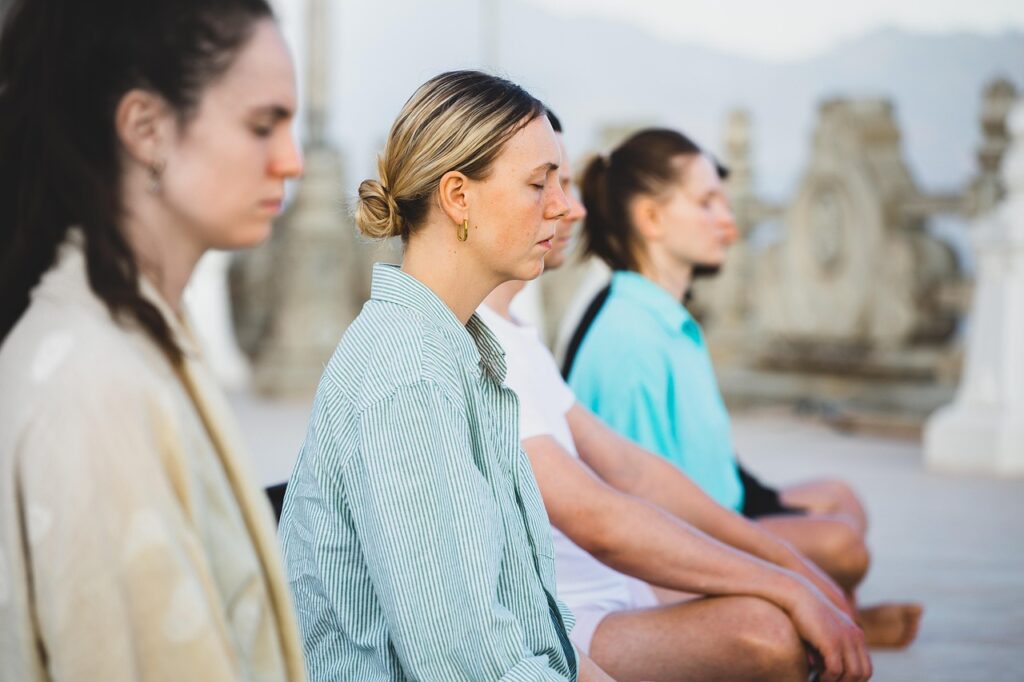
Mushroom ceremony safety isn’t optional. It’s the foundation that makes transformation possible rather than traumatic.
Indigenous practitioners developed screening practices over centuries. Protective rituals established energetic boundaries. Community support meant nobody faced challenging moments alone.
Contemporary practices add clinical screening. Personal or family history of psychosis, bipolar disorder, or schizophrenia requires extreme caution or complete avoidance. Integration support helps participants process experiences constructively.
Ceremonial harm reduction starts with vetting whoever’s holding space. Ask about training, lineage, safety protocols, and emergency procedures. Legitimate facilitators welcome questions and screen participants carefully.
The Future of Mushroom Ceremonies
The future mushroom ceremony landscape is being written right now.
Indigenous revitalization movements gain momentum as younger generations reclaim ceremonial traditions their grandparents had to hide. Academic recognition follows, with universities establishing psychedelic studies programs that treat indigenous knowledge as legitimate scholarship.
Decriminalization movements succeed city by city. Oregon’s regulated access model might become a template others adapt.
Research finally studies ceremonial elements themselves, not just isolated psilocybin. Cross-cultural exchange happens more respectfully now, with indigenous knowledge preservation becoming a priority.
The question isn’t whether mushroom ceremonies will continue. The question is whether modern culture can engage with them respectfully.
Honoring Ancient Wisdom
Mushroom ceremony traditions span continents, cultures, and millennia. From Saharan cave paintings to Mesoamerican veladas, humans have consistently turned to sacred fungi for healing and spiritual connection.
This global heritage deserves more than casual interest. Ancient mushroom wisdom survived colonialism, prohibition, and cultural suppression because people risked everything to preserve it.
If you choose to participate in mushroom ceremonies, do your homework. Learn the history, understand the risks, and find ethical practitioners. Approach with humility rather than entitlement.
These aren’t just wellness trends. They’re living traditions connected to specific communities and cosmologies.
Ready to explore mindful, intentional paths to wellness? At Sugar Magnolia, we offer curated products and resources for your journey toward balance and growth. Are you keen to share your mushroom ceremony experiences? Become a Sugar Mama and build your community today.